
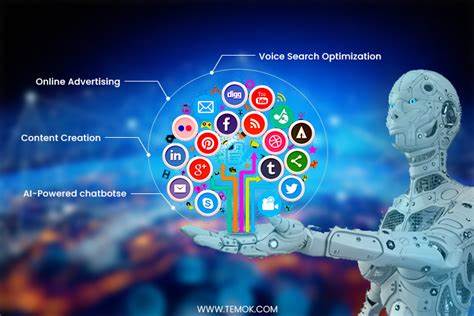
Can Digital Marketing Be Replaced by AI?
In the rapidly evolving digital landscape, one question continues to gain attention: Can digital marketing be replaced by AI? With artificial intelligence becoming more advanced by the day, many professionals and businesses wonder if traditional digital marketing roles will soon become obsolete. In this blog, we will explore whether AI can truly replace digital marketing or simply reshape it.
Understanding Digital Marketing
Digital marketing involves promoting products or services through digital channels such as websites, search engines, social media, email, and mobile apps. It includes a wide range of strategies like SEO (Search Engine Optimization), content marketing, pay-per-click advertising, social media campaigns, and email marketing.
The core of digital marketing lies in understanding human behavior, building relationships, creating engaging content, and delivering personalized experiences. These elements require creativity, emotional intelligence, and cultural understanding—areas where human marketers still excel.
The Rise of AI in Digital Marketing
Artificial Intelligence is already playing a significant role in digital marketing. Tools powered by AI can analyze huge amounts of data, automate tasks, and even create content. For example:
Chatbots provide 24/7 customer support.
AI-driven analytics tools offer real-time insights on campaign performance.
Email automation tools tailor content for different customer segments.
AI writing tools help generate product descriptions, blogs, and social media posts.
These innovations have made digital marketing more efficient and data-driven than ever before. But does that mean AI can fully take over?
What AI Does Best in Digital Marketing
AI excels in automating repetitive tasks, analyzing data, and identifying trends. Here are some areas where AI significantly enhances digital marketing:
1. Data Analysis and Reporting.
AI can process and interpret large datasets in seconds. In digital marketing, this means faster and more accurate decisions, better ad targeting, and improved ROI.
2. Personalization
AI algorithms can track user behavior and preferences to deliver personalized experiences. This is especially useful in email marketing and e-commerce, where personalization leads to higher conversion rates.
3. Content Suggestions
AI tools can suggest blog topics, headlines, and keywords. Some can even generate readable content, saving time for marketers.
4. Ad Optimization
Platforms like Google and Facebook already use AI to optimize ad placements and bids. This ensures that ads are shown to the right people at the right time.
While these capabilities are impressive, they support rather than replace the full scope of digital marketing.
What AI Can’t Replace in Digital Marketing
Despite its strengths, AI has limitations—particularly when it comes to human emotion, intuition, and creativity.
1. Emotional Intelligence
Digital marketing is not just about data; it’s about connecting with people. AI struggles to understand human emotions, cultural nuances, and social trends in the way human marketers do.
2. Creative Strategy
Developing a unique brand voice, storytelling, and creating compelling campaigns still require human creativity. AI can assist, but it cannot originate truly original ideas.
3. Building Trust and Relationships
Relationship-building is a key part of digital marketing. Whether it’s influencer collaborations, community engagement, or customer service, the human touch matters.
4. Ethical Decision-Making
AI lacks ethical judgment. Human marketers make decisions not just based on data, but on values, social responsibility, and long-term brand impact.
The Future: Collaboration, Not Replacement
Instead of asking can digital marketing be replaced by AI, we should be asking how AI can empower marketers. The future lies in collaboration, not competition.
AI will continue to evolve and handle more complex tasks, but the human element of digital marketing remains irreplaceable. Businesses that blend AI efficiency with human creativity will be the most successful.
For example:
A marketer may use AI to analyze audience behavior and generate insights.
Based on that, they can create a personalized campaign that resonates emotionally.
AI tools can then automate the distribution and performance tracking.
This synergy creates smarter strategies, better results, and more impactful campaigns.
Preparing for an AI-Driven Future
As AI becomes more integrated into digital marketing, professionals need to adapt. Here are a few tips:
Learn how AI works: Understand the basics of machine learning and how AI tools function.
Upskill regularly: Focus on areas where humans have an edge—creativity, critical thinking, emotional intelligence.
Use AI tools wisely: Leverage automation for routine tasks so you can focus on strategy and innovation.
Stay ethical: Use AI responsibly, keeping transparency and user trust in mind.
Conclusion
So, can digital marketing be replaced by AI? The answer is: not entirely. AI can transform and enhance digital marketing, but it cannot fully replace the human elements that make it effective. The best approach is to embrace AI as a powerful assistant rather than a threat.
In the end, the most successful digital marketing strategies will come from those who learn to balance machine precision with human creativity. As technology advances, the role of marketers will evolve—but it will never disappear.